
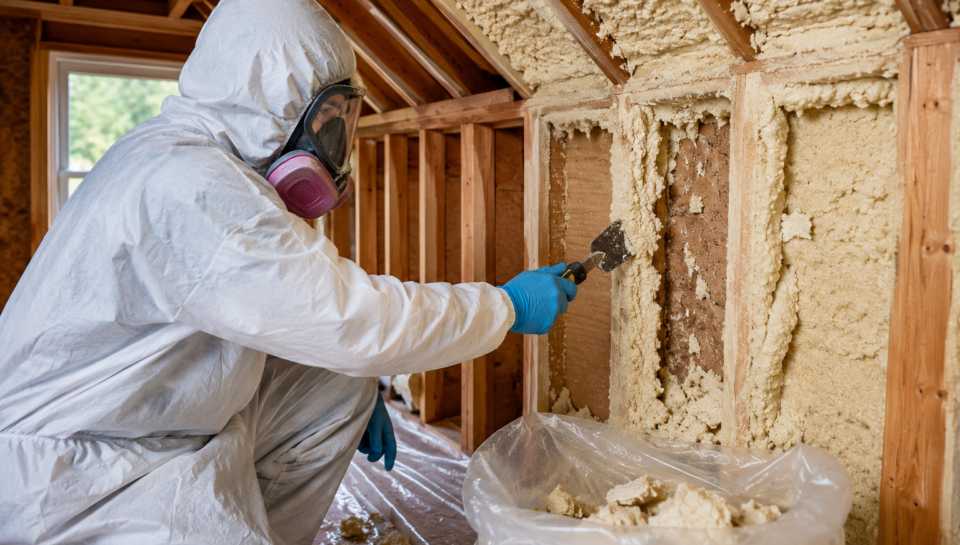
Closed Cell Spray Foam Removal: Complete Homeowner Guide
Closed cell spray foam removal has become essential for thousands of UK homeowners. Many installed it years ago for quick energy savings. Now it blocks mortgages, hides roof damage, and creates long-term headaches. You face real issues if closed cell foam sits in your loft or roof. Lenders often refuse loans. Buyers walk away. Hidden rot builds up out of sight. Smart action now protects your property value and peace of mind.
Why closed cell foam causes more trouble than open cell types.
Closed cell insulation sets are hard and rigid. It bonds tight to roof timbers, tiles, and felt. This creates a seal that stops proper airflow. Moisture gets trapped against wood. Over time, timbers rot. You cannot see it until problems surface during a survey. Many older roofs received this foam to hold them together. Installers sold it as a fix for sagging structures. That approach backfired. The foam hides decay and adds weight stress on aging rafters.
How spray foam creates mortgage and sale problems
Major UK lenders now turn down properties with roof spray foam. Around a quarter of big providers refuse outright. Others demand full removal plus proof of sound timbers before they lend. Surveyors cannot inspect covered roof structures. They flag the foam in reports. Lenders see risk and say no. This hits sellers hard. Buyers need mortgages. No mortgage means no sale for many deals. Property investors and landlords feel it too. Rental properties lose appeal. Remortgaging for extensions or repairs gets blocked. Equity release becomes impossible for older owners.
You might lose 10-15% in perceived value. Some homes turn unmortgageable until fixed. The fix costs money upfront but restores normal market access. RICS guidance helps here. The Royal Institution of Chartered Surveyors published clear advice for homeowners. Check their consumer guide on spray foam insulation for official details.Read the RICS spray foam consumer guide.
Signs your closed cell insulation needs attention
Look for these warning signs in your loft:
- Musty smells or visible damp patches
- Higher than expected energy bills despite the insulation
- Condensation on roof timbers or underlay
- Recent survey mentions of spray foam
- Difficulty selling or remortgaging
Do not ignore them. Early action limits damage.
The risks of leaving defective spray foam in place
Moisture trapped by the foam leads to wet rot or dry rot in roof timbers. This weakens the structure over years. Repairs then run into thousands, sometimes requiring full roof replacement. Some foams degrade and release particles. Poor installation leaves gaps that cause cold spots and mould. Closed cell types resist water but create bigger ventilation problems in pitched roofs. Insurance companies sometimes raise questions too. You want no surprises when claiming for storm damage or leaks.
Safe spray foam insulation removal methods
Leave this to professionals. Closed cell foam sticks hard. DIY attempts damage timbers, felt, or tiles. You also risk breathing in dust and particles.
Professional foam removal companies use controlled techniques. Common safe methods include:
- Careful manual scraping with specialised tools
- Precision mechanical removal that protects wood
- Dry ice blasting in skilled hands for stubborn areas
Experts assess your roof first. They check for existing damage. They plan extraction to avoid further harm. This matters most with closed cell foam. The process takes 1-3 days for most homes. Teams protect your living space with dust barriers and proper ventilation. They remove all foam, not just visible sections. Lenders want full clearance. Roof survey before foam removal is non-negotiable. A qualified surveyor inspects timbers once exposed. You catch and fix issues early.
What happens during residential spray foam removal
Step one: Site visit and survey.
Experts examine access, foam thickness, and roof condition. They quote accurately.
Step two: Preparation.
Scaffolding or loft protection goes up. Waste removal skips arrive.
Step three: Extraction.
Teams work section by section. They separate foam from timbers without gouging wood. All debris gets bagged and disposed of correctly as construction waste.
Step four: Cleanup and inspection.
Thorough foam insulation cleanup follows. Fresh survey checks timbers. Any repairs get quoted.
Step five: New insulation.
You install breathable solutions that meet current standards. This restores proper roof ventilation after foam removal.
Roof restoration after foam removal
Removal often reveals problems. Expect possible timber repairs or replacements. Some roofs need new felt or improved ventilation. Good news? You end up with a properly functioning roof. Modern breathable insulation solutions perform better long term. They let moisture escape while keeping heat in.
Home insulation replacement choices include mineral wool, rigid boards with ventilation gaps, or other approved materials. Your contractor advises what suits your roof type best.
Costs and what affects your quote
Expect £40 per square metre on average for spray foam extraction services. A typical three-bed house runs £3,000 to £8,000 depending on roof size and access. Closed cell foam costs more to remove than open cell. Complex roofs or limited loft access add to the price. Timber repairs push totals higher if rot appears.
Get several quotes from certified spray foam specialists. Cheap bids often cut corners and create new problems. Ask for references and insurance details.
Choosing the right professional foam removal company
Look for insulation removal contractors with specific spray foam experience. Check membership in trade bodies. Read real homeowner reviews.
A reputable firm offers:
- Full roof assessment
- Transparent pricing
- Waste disposal compliance
- Aftercare and certification for lenders
- Options for new insulation
At Smart Spray Foam Removal, we handle everything from initial survey to final handover. Our teams know exactly how to manage closed cell challenges without extra damage.
Spray foam damage repair and prevention
Fix any rot or structural issues immediately. Then focus on ventilation. Good airflow stops future condensation. Install proper loft ventilation where needed. Choose vapour-permeable materials for replacements. This keeps your roof healthy for decades. Many homeowners switch to traditional or hybrid systems. They gain peace of mind and better lender approval.
Why act now on attic spray foam removal
Property market rules tighten on this issue. More lenders demand removal. Buyers grow wary after reading stories. Fixing it positions your home strongly for sale or remortgage. You sleep better knowing the roof breathes properly again. Contact us today for a no-obligation roof survey. Our team assesses your specific situation and gives clear options. Do not wait until a sale falls through.
We also offer targeted services:
- Closed cell spray foam removal
- Full attic spray foam removal
- Roof restoration after foam removal
- Spray foam mortgage problems solutions
Visit our spray foam extraction services page or call for a chat.
FAQ
How long does closed cell spray foam removal take?
Most jobs finish in 1-3 days. Larger or complex roofs take longer. We give you a clear timeline after the survey.
Will removal damage my roof?
Professionals minimize risk with the right tools and methods. Poor work causes problems, which is why you choose experienced insulation removal contractors.
Do I need planning permission?
Usually not for removal and like-for-like replacement. Building regulations may apply to new insulation. We handle compliance details.
Can I sell my house with spray foam still in place?
Some cash buyers accept it. Most need mortgages, so removal makes selling far easier and protects your price.
What happens to the old foam?
We dispose of it legally through licensed waste channels. You receive documentation for your records.
Is there government help with costs?
No direct grants for removal at present. Check with your original installer for any guarantees. Faulty work sometimes qualifies for remediation.
How soon after removal can I remortgage?
Lenders usually accept once you provide survey reports and installation certificates for the new setup. We supply all the paperwork.